

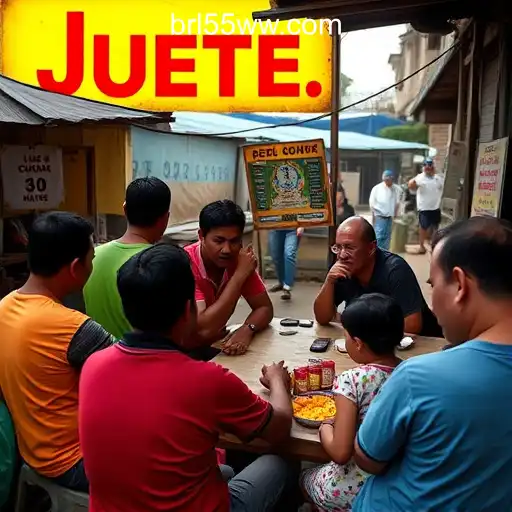
Understanding Jueteng: A Cultural Fixture
Jueteng is a grassroots lottery game that has become deeply embedded in the cultural and social fabric of the Philippines. Despite its illegal status, the popularity of this numbers game endures, transcending socio-economic barriers and reflecting a unique cultural phenomenon. Jueteng's appeal lies not only in its potential financial rewards but also in its accessibility to the masses, allowing individuals from all walks of life to participate.
The Mechanics of Jueteng
Jueteng is a numbers game similar to a lottery. The game is simple: participants select numbers between 1 and 37, and the winning combination is drawn randomly. What distinguishes Jueteng is its local operation and the fact that it is typically organized by small-town operators known as "cabos" and "kogon" in close-knit communities.
Cultural Significance
Jueteng is more than just a game in the Philippines; it is a cultural tradition passed down through generations. It's often played in both urban slums and rural areas, serving as a means of social interaction and community bonding. People gather to discuss their number selections, share tips, and revel in the communal suspense on draw days.
Socio-Economic Impact
Despite its illegality, Jueteng has persisted due to the economic circumstances facing many Filipinos. For numerous individuals, it poses a rare opportunity to escape poverty, however fleetingly. The game's low entry cost makes it accessible to even the poorest members of society, offering them a slim chance at significantly improving their lot.
At the same time, the operations revolving around Jueteng provide informal employment and income for various community roles, from the local cabin caretakers to runners who collect bets. This underground economy, however, poses ethical and legal challenges and often fuels corruption among law enforcement and government officials.
Corruption and Jueteng
Corruption is an inextricable part of the Jueteng narrative. Law enforcement and government cracks down on the game intermittently, often leading to accusations of bribery and kickbacks from the syndicates running the operation. Jueteng is frequently criticized for funding political campaigns and for its influence on local politics, where operators may wield significant clout.
Links to Modern Gambling Platforms
In recent years, as technology has advanced, traditional games like Jueteng have intermingled with modern gambling platforms such as online casinos. Modern gamblers might find themselves exploring platforms such as 55WW.COM, touted as "Brasil's #1 online cassino," where similar games of chance are available virtually. Such platforms appeal to a new generation of gamblers, lured by the broader odds and diverse gaming options.
This convergence of traditional and online gaming forms a tapestry of social dynamics where the traditional culture of betting on games like Jueteng meets the globalized digital economy of online gambling.
Impact on Modern Society
Despite the persistence of Jueteng, the rise of digital alternatives underscores a changing landscape in the realm of games and gambling. While Jueteng survives through cultural inertia, the allure of online casinos offers its own compelling narrative with aspirations of instant wealth via the digital space.
However, similar socio-economic risks exist in online gambling as with Jueteng. Addictive behaviors, financial strain, and potential legal repercussions are challenges that participants must navigate in both arenas.
Conclusion
The continued popularity of Jueteng reveals much about the complexities of gambling culture in the Philippines. It reflects a nuanced interplay between tradition and modernity, legality and ambition, as well as community and isolation. Exploring how Jueteng integrates with modern platforms like 55WW.COM underscores the multifaceted nature of gambling today, raising timeless questions of ethics and impact. As society continues to evolve, so too will the cultural and social significance of games embedded in everyday life.